




Understand the different parts of your surfboard
The shape is the overall outline and design of a surfboard, from its nose to its tail. It influences how the board paddles, catches waves, turns, and maintains speed.
Different shapes are designed for different surfing styles and wave conditions, making this one of the most important features of any board.

The tail is the back end of the surfboard, and its shape affects how the board turns, grips the wave, and releases water.
Wider tails generally offer more stability and speed in smaller waves, while narrower or more rounded tails can provide better control in steeper, more powerful conditions.

A surfboard's size is determined mainly by its length, width, and thickness. These dimensions affect its volume, which influences how much it floats and how easily it paddles.
Larger boards generally offer more stability and easier wave-catching, while smaller boards tend to feel more responsive and maneuverable under an experienced surfer's feet.

Rocker refers to the curve of the surfboard from nose to tail when viewed from the side. More rocker helps the board fit into steep waves and make tighter turns, while a flatter rocker generally helps it maintain speed and glide across flatter sections.
The right balance depends on the waves and surfing style.

Bottom contours are the curves and channels shaped into the underside of a surfboard. They guide water as it flows beneath the board, influencing speed, lift, stability, and turning.
Different designs, such as flat bottoms, concaves, and V-shaped contours, help a board perform differently depending on the waves and the surfer's needs.

Rails are the edges along the sides of a surfboard. They help determine how the board holds its line, grips the wave, and transitions from one turn to another.
Softer, fuller rails can feel more forgiving and stable, while sharper, thinner rails tend to offer more grip and control in powerful waves.

The fin configuration describes the number, size, and arrangement of fins on a surfboard. Fins provide grip and stability, helping the board hold its direction while turning.
A single fin often offers a smooth, flowing feel, while twin, thruster (three-fin), and quad (four-fin) setups provide different combinations of speed, control, and maneuverability.

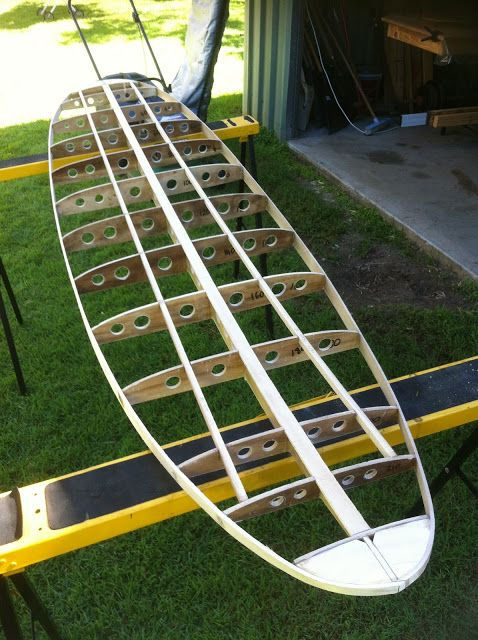
The materials used to build a surfboard influence its weight, strength, flex, durability, and overall feel in the water. Traditional fiberglass boards, lightweight epoxy constructions, and other modern materials each have their own characteristics.
The right construction depends on the performance you want, how you surf, and the balance you prefer between weight and durability.

